
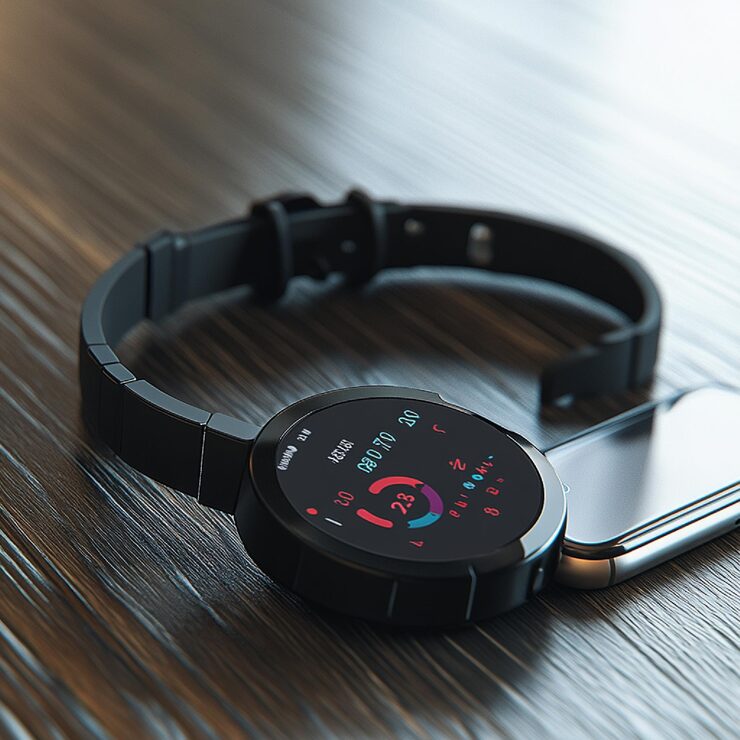
Wearable devices have transformed the way we approach fitness and health. No longer limited to gyms and trainers, fitness data is now available on the wrist in real time. This accessibility has motivated millions to take better care of their well-being.
Tracking basics like steps, calories, and distance covered is just the beginning. Many wearables now offer advanced features such as heart rate zones, oxygen monitoring, and guided workouts. These tools give users deeper insight into their performance and progress.
Another advantage is personalization. Wearables adapt to individual goals, whether it’s losing weight, improving stamina, or simply moving more each day. By setting daily reminders and targets, they create a sense of accountability that makes healthy habits easier to maintain.
Social features also play a big role. Many devices allow users to share progress, join challenges, and compete with friends. This community-driven aspect makes fitness fun, while also encouraging consistency and discipline.
Ultimately, fitness tracking has become more than just numbers on a screen. It’s about empowerment — giving people the information they need to make better choices, stay active, and enjoy healthier lifestyles with the help of wearable technology.